Māori (Aotearoa New Zealand): the flax song ancestral
In a well-known chant, the question is asked where the korimako will sing if the heart of the flax is torn out. The korimako represents humanity, and the flax, the vitality of the land and the people.
Some sounds remind us to open our eyes. A clear sound can be your inner bell.
What it sounds like
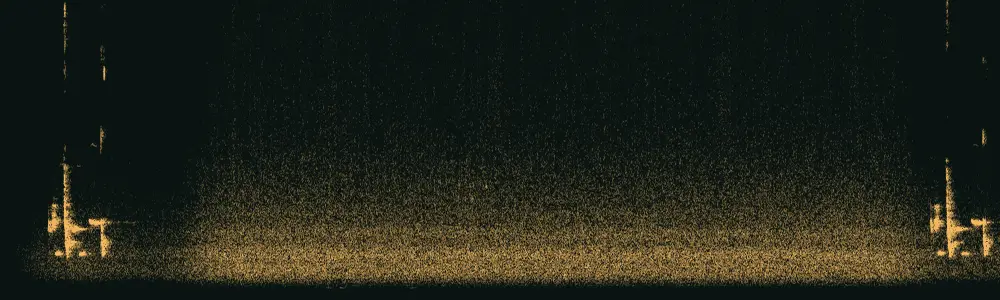
A clear, ringing voice, compared to little bells; the song varies by region. The recording is of a male's calls, not the full song.
The frequency of the song
Main frequency
2,304 Hz
Note
D7
Range
1,583 Hz–2,326 Hz
Rhythm
slow
Tone
pure, whistled
Binaural tone
288 Hz
We measured this recording by computer, removing background noise. Canto Ancestral's binaural sound uses the bird's main note, brought to 288 Hz, close to the tone used in studies. Understand binaural beats.
For which moment
Expression, joy, focus. Expression comes from the Māori tradition of the good orator; joy and focus come from the clear sound, remembered as a bell. Birdsong.
Frequently asked questions
What is the spiritual meaning of this bird?
It depends on the people. Māori (Aotearoa New Zealand): the orator: The Māori compared a good singer or orator to the korimako singing at dawn, and an eloquent orator was simply called a korimako.
What does its song sound like?
A clear, ringing voice, compared to little bells; the song varies by region. The recording is of a male's calls, not the full song.
What is the frequency of its song?
In the recording we use, the main frequency was 2,304 Hz, close to the note D7, with most of the sound between 1,583 Hz and 2,326 Hz.
Does this song help you relax?
Expression comes from the Māori tradition of the good orator; joy and focus come from the clear sound, remembered as a bell. Studies link bird sounds to less stress, but none tested this species in particular.